

Do Not Disturb Me
Why silence is a competitive advantage in an era of secondary smoking for the mind.

A couple of months back, I was trapped in an endless loop of constantly checking my phone. I’d scroll LinkedIn, refresh my emails and login to my KDP dashboard, hoping to see just one more book sold. It was the same loop, again and again, as if I was pulling a slot machine and waiting for the jackpot.
Like an addict, I’d swipe without thinking. My brain tensing each time, until I’d built a deeply ingrained neural pathway that led to one of two outcomes. Either I’d be flooded with the positive reinforcement of a new notification or I’d feel my stomach drop as the refresh revealed nothing new. However the habit ended, I started to realise that my entire headspace was being dictated by actions that weren’t my own. And that I’d outsourced my mood to metrics that I thought could measure my self-worth.
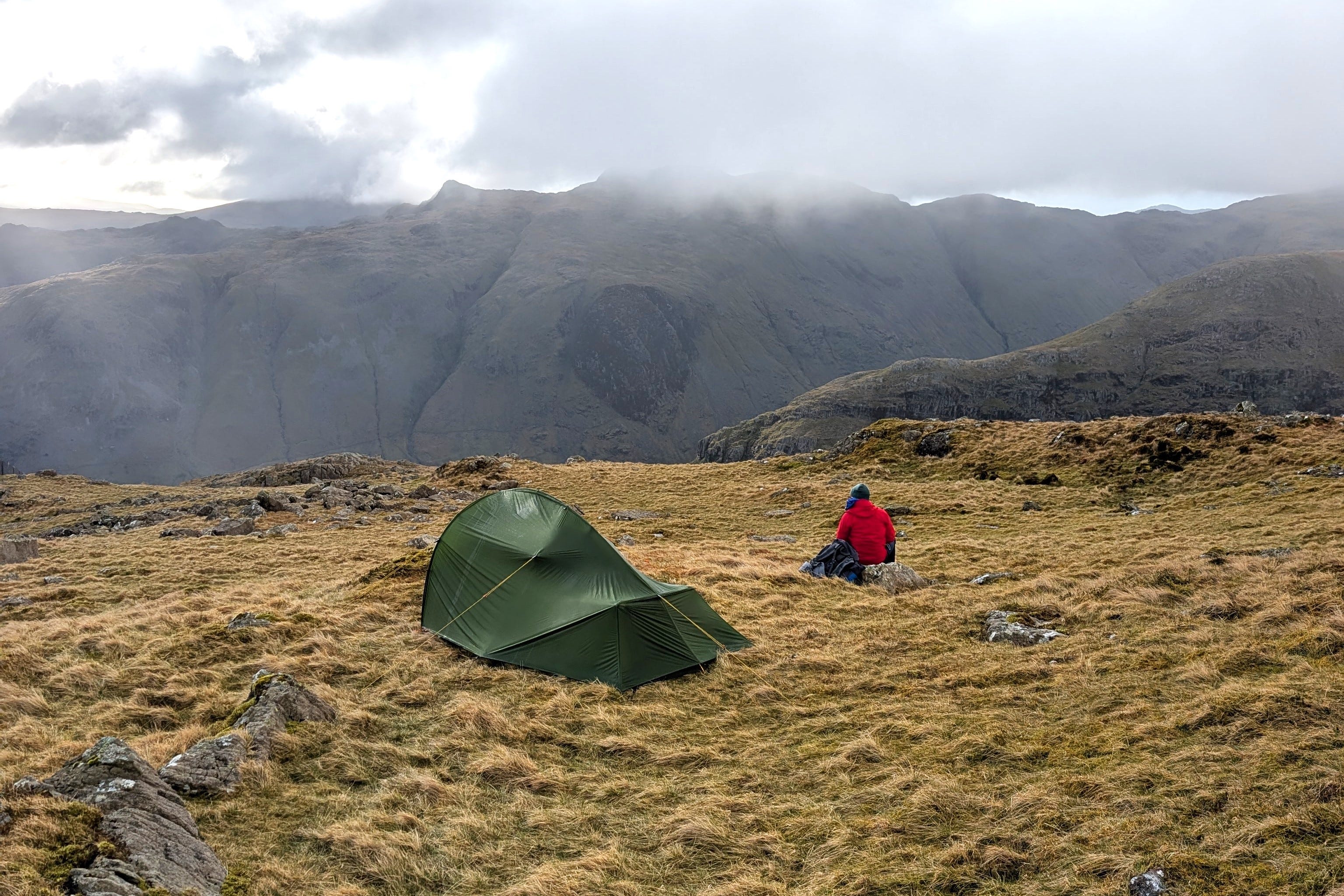
Then, a series of trips broke my trance. Firstly, a week of campervanning around Scotland, hiking up Munros and enjoying the outdoors. Secondly, a long weekend wild camping in the Lake District, braving the high winds and co-creating stories as I trekked with a good friend. Out there, as the birds chirped and the trees swayed, all the external noise melted away. I was disconnected from my routine, immersed in the moment and had no desire to pick up my phone and continue my patterns from before.
Secondary Smoking for the Mind
But, as the stillness of the trips came to an end, I found myself bracing to re-enter civilisation. Each time, as my train pulled into London, I felt my body jarring back into the everyday environment of noise, speed and overwhelm.

The shock was visceral.
From the never-ending rumble of mopeds delivering take-away to the doomscrollers playing their reels aloud and the £1,000 smartwatches that ensure you never have a single second of uninterrupted thought.
This is secondary smoking for the mind. We now accept the involuntary invasion of our auditory spaces as an inevitable byproduct of modern life. But, when we look closer, it’s more sinister than just noise. Our attention is being auctioned off to the highest bidder.
The data only confirms this. Researchers at the University of California have found that the average attention span on a single screen has plummeted from 150 seconds in 2004 to just 47 seconds today. According to Dr. Gloria Mark, a pioneer in human-computer interaction, we are not just more distracted, but have been conditioned to be unable to focus.
We have reached a point where silence is no longer a default state, but a premium luxury that most people have forgotten how to afford. We’ve killed the in-between moments. The 20-minute walk to the station or the wait for the coffee used to be the fertile soil on which our best ideas were grown. Now, those moments are immediately colonised by external noise. And once that focus is broken by a notification, it takes an average of 23 minutes and 15 seconds to get into the flow of the original task.
The result is an inability to be present. We might be physically there with our friends or family, but mentally we are scattered across a thousand different tabs, notifications and feeds. If you cannot control your environment, you cannot design your life. You are just a cog in someone else’s machine.
Designing for Stillness
But, it doesn’t have to be like this. As I returned home, after a ride on the Underground, I decided to stop paying the Focus Tax.
It started with the small hacks…
Adding Loop earplugs to my keychain — meaning I no longer had to simply grit my teeth and bear the screeching of the Northern Line. I could manually reclaim my auditory borders.
Buying a monthly Lime bike pass — so the shorter trips could be done outside. You can’t refresh your KDP dashboard or scroll LinkedIn when you’re navigating a busy roundabout. It’s forced presence.
Turning off all phone notifications — I muted everything. Even WhatsApp. My phone is now a tool I choose to pick up on my own terms, not a master that calls me whenever it wants my attention.
But eventually, I realised that hacking a broken environment only gets you so far. You can wear earplugs and ride bikes, but if your Basecamp is in the middle of the noise, you are still living in a state of constant overwhelm. You are still paying the Focus Tax every time you open your front door.
So, Jessica and I decided to make the ultimate life design move.
We’ve just signed the contract on a new home in Sevenoaks. We’re traded the Zone 3 hustle for a garden and nature by default. It’s only a 24-minute fast train into the city for high-stakes meetings, but the rest of the time, the silence is our new normal. And I’m so excited for it.
It feels like a hack. While most people are paying a premium to live in the centre of the city, we’ve chosen to escape the endless billboards, sounds and people to invest in the mental headspace to build our best lives.
Silence is a huge competitive advantage. It gives you the headspace to tune into your body and to fully switch off. If you feel like your capacity is running low right now, start with the small hacks. Turn off the red dots. Make your phone boring. Reclaim your commute.
But don’t stop there.
Ask yourself: Is my environment designed to support my Ascent or is it just the place my attention goes to die?
It’s time to stop accepting your overwhelm as inevitable and to use stillness as a design principle for your life.
Because I’m not unavailable.
I’m just busy building a life I don’t need to scroll away from.
Are you ready to stop being overwhelmed by your environment?
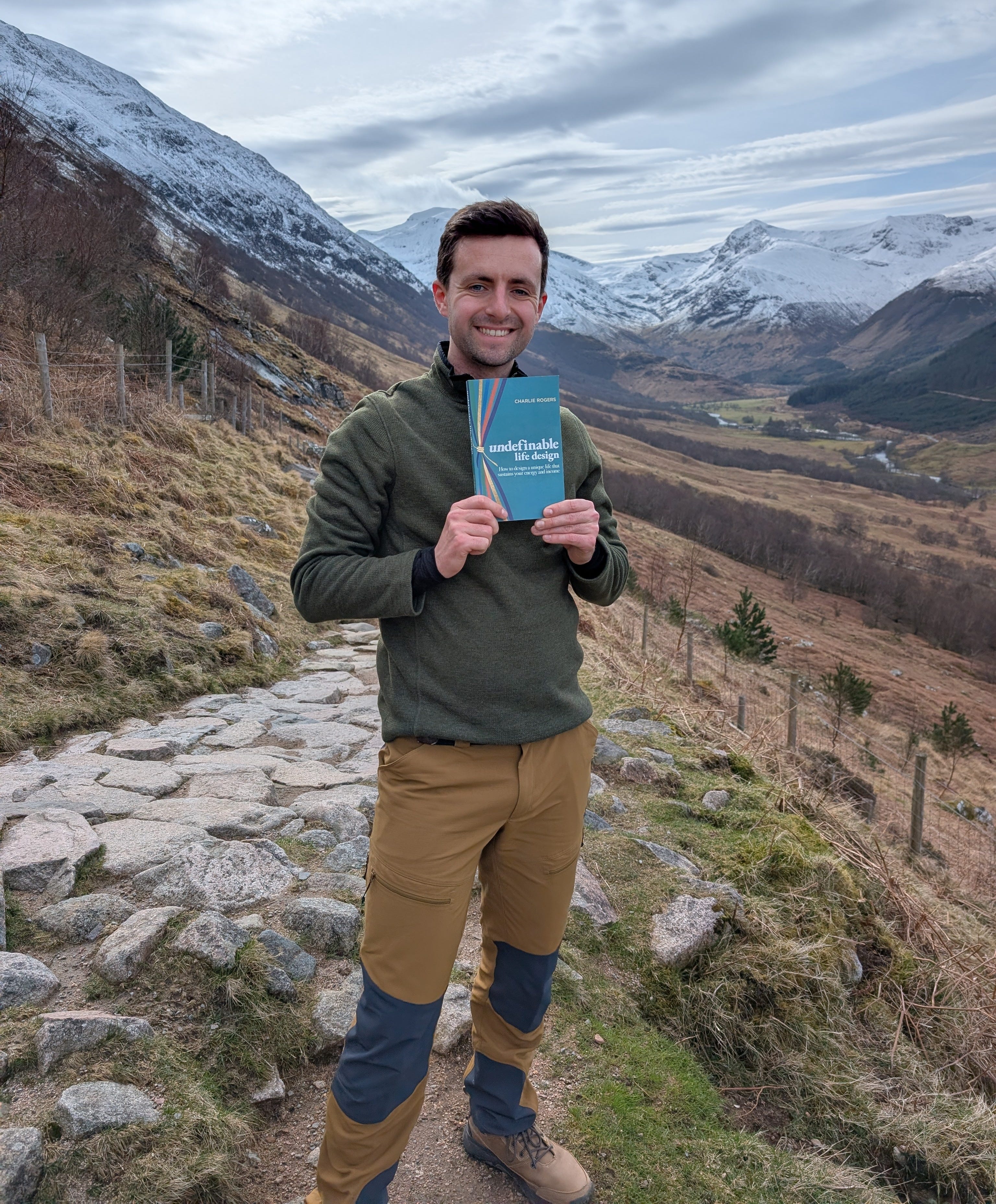
In Chapter 19 (The Ice Axe) of my book, undefinable life design, I dive deep into how to anchor your attention, social and physical environment so you can feel grounded enough to make the climb.
If you’re ready to stop paying the Focus Tax and start designing a life that fits the whole of you, you can find the guide here.
I really like this. How do you navigate being out of the loop? I find myself checking my phone MORE when I don’t have notifications almost out of anxiety of missing something important ?